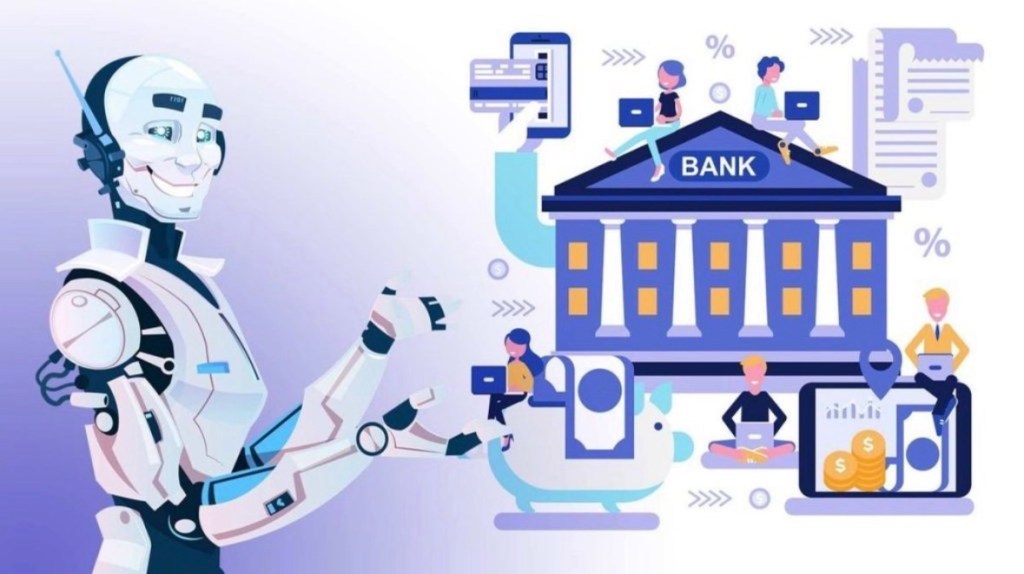

Artificial intelligence has been used in banking for decades; from credit scoring models to fraud detection systems. However, a new shift is underway. AI agents, sometimes called agentic AI, are moving financial institutions beyond static automation toward autonomous, decision-driven digital workers.
Unlike traditional AI tools that respond to prompts or follow predefined rules, AI agents can reason, plan, act, and learn across multiple systems. This evolution is fundamentally transforming banking operations, customer engagement, and regulatory compliance, redefining how banks scale, compete, and manage risk.
What Are AI Agents in Banking?
AI agents are goal-oriented software entities that operate with a degree of autonomy. They can observe and interpret data across multiple systems, decide on the next best action, execute tasks independently, escalate issues based on risk thresholds and improve performance through continuous learning.
In banking, this means AI agents are no longer just analytical tools, they are becoming active participants in workflows, functioning alongside human employees.
How AI Agents Are Transforming Banking Operations
1. End-to-End Process Automation
AI agents are increasingly used to manage complex, multi-step banking processes, including:
- Loan origination and underwriting
- Account onboarding and KYC validation
- Payments reconciliation and settlements
- Treasury and liquidity monitoring
- Exception handling in back-office operations
Instead of passing tasks across departments, AI agents can orchestrate entire workflows, pulling data from multiple systems, validating inputs, and triggering actions in real time.
2. Operational Efficiency at Scale
Banks face rising cost pressures while dealing with legacy infrastructure. AI agents help by:
- Reducing manual intervention
- Shortening processing cycles from days to minutes
- Improving data accuracy and consistency
- Allowing operations teams to scale without proportional headcount growth
This operational leverage is especially valuable for large institutions managing millions of transactions daily.
AI Agents and the Future of Customer Engagement
1. From Chatbots to Intelligent Financial Assistants
Traditional chatbots handle FAQs. AI agents handle relationships. Modern AI agents can:
- Understand conversational context and customer intent
- Access real-time account and transaction data
- Provide personalized financial guidance
- Execute transactions securely
- Escalate complex cases to human advisors
This enables banks to deliver 24/7, high-quality customer engagement without sacrificing personalization.
2. Hyper-Personalized Banking Experiences
AI agents analyze behavioral data to proactively engage customers with:
- Spending insights and savings recommendations
- Fraud alerts and transaction verification
- Credit and investment opportunities aligned to customer profiles
- Timely reminders and financial nudges
As a result, banks shift from reactive service models to anticipatory, relationship-driven engagement.
Compliance Automation and Risk Management with AI Agents
1. Always-On Regulatory Monitoring
Compliance is one of the most resource-intensive functions in banking. AI agents transform compliance by enabling:
- Continuous transaction monitoring
- Real-time AML and fraud detection
- Automated regulatory reporting
- Dynamic risk scoring and alerts
Unlike periodic audits, AI agents operate continuously, reducing blind spots and compliance lag.
2. Auditability and Human Oversight
Well-designed AI agent systems maintain:
- Full audit trails
- Explainable decision logic
- Clear escalation paths to human reviewers
This human-in-the-loop approach ensures banks meet regulatory expectations while benefiting from automation.
Strategic Impact: Why AI Agents Are a Competitive Advantage
AI agents are becoming a strategic differentiator in financial services. Banks that adopt them early benefit from:
- Faster product launches
- Lower operating costs
- More resilient risk management
- Higher customer satisfaction Better use of human talent
Rather than replacing bankers, AI agents augment expertise, allowing employees to focus on judgment-heavy, relationship-driven, and strategic work.
In effect, banks begin to compete on intelligence, adaptability, and execution speed, not just balance sheet size.
Challenges Banks Must Address
Despite the promise, AI agent adoption requires careful execution:
- Data readiness: Fragmented legacy systems limit agent effectiveness
- Governance: Clear AI policies, model validation, and accountability are essential
- Security: Autonomous systems increase the importance of cyber resilience Trust: Customers and regulators must trust AI-driven decisions
Banks that succeed treat AI agents as enterprise infrastructure, not isolated technology experiments.
Conclusion: The Rise of Autonomous Banking
AI agents represent the next phase of digital transformation in banking. By combining autonomy, intelligence, and continuous learning, they are reshaping:
- Operations through end-to-end automation
- Customer engagement through personalized, real-time interactions
- Compliance through always-on risk monitoring
As financial institutions face growing complexity, those that master AI agents will define the future of banking not as institutions that merely process transactions, but as intelligent financial platforms.
 Site Title
Leave a comment